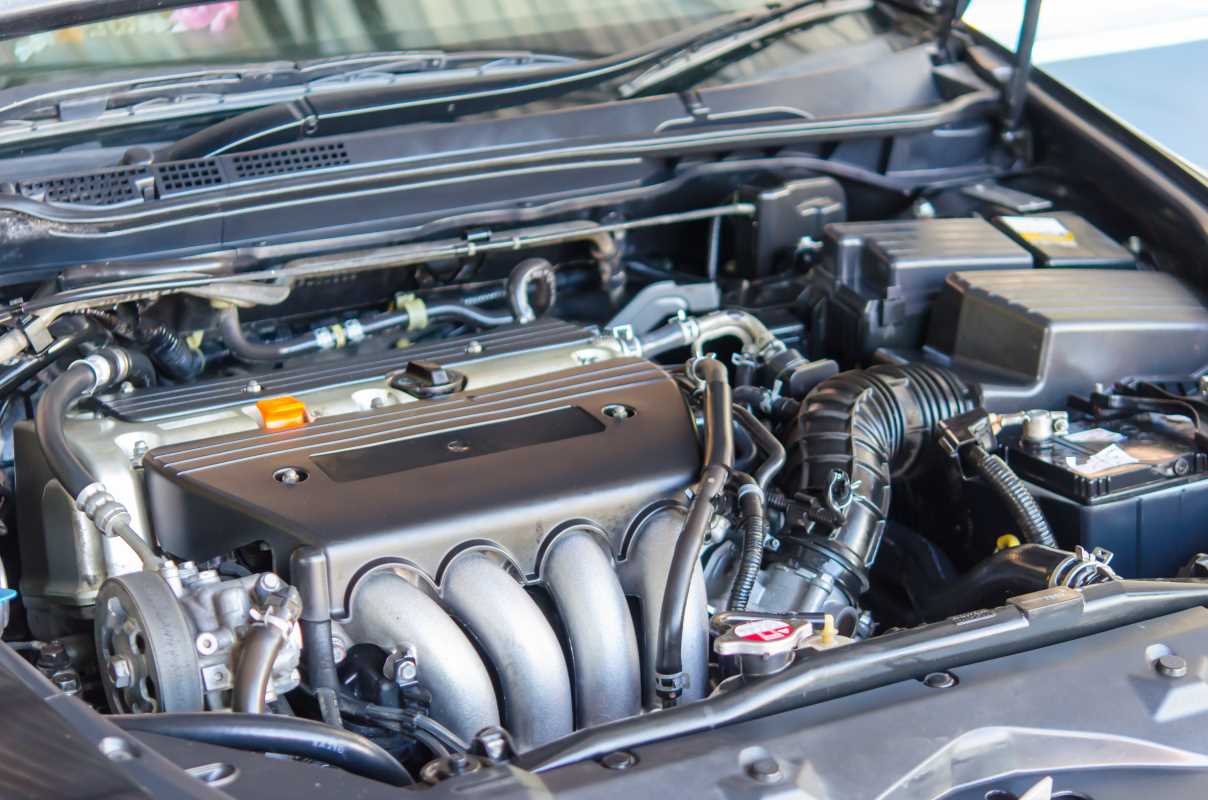
Your car’s engine is like a finely tuned athlete. It needs to warm up to perform well, but if it gets too hot, it crashes. Heat is the natural byproduct of the explosions happening thousands of times a minute inside your engine cylinders. While some heat is necessary for combustion, excess heat is the number one enemy of engine longevity. It warps metal, breaks down oil, and destroys gaskets. If you want your vehicle to last for hundreds of thousands of miles, you don't just need to change the oil; you need to master the art of heat management. Understanding how your car stays cool and how you can help it is the secret to keeping it on the road for years to come.
The Science of Thermal Stress
To understand why heat kills engines, we have to look at what happens to metal when it gets hot. Engines are made of various metals like aluminum, cast iron, and steel. When these metals heat up, they expand. This expansion is calculated by engineers to ensure that pistons fit perfectly inside cylinders once the engine is at operating temperature.
Problems arise when the heat becomes excessive or uneven. This is called "thermal stress." Imagine a metal part expanding beyond its design limits. It pushes against seals, gaskets, and other metal parts. If the cylinder head (often aluminum) gets hotter than the engine block (often iron), they expand at different rates. This tug-of-war can crush the head gasket sitting between them, leading to a blown gasket. That's a repair bill that often costs thousands of dollars. Even worse, extreme heat can cause the oil to coke (turn into a hard, gritty substance) inside the turbocharger or piston rings, effectively sanding away the inside of your engine.
Your First Line of Defense: The Cooling System
The cooling system is the primary way your car manages heat. It’s a closed loop of liquid that circulates through the engine block, absorbs heat, and then travels to the radiator to release that heat into the air. It sounds simple, but several components must work in perfect harmony.
The Thermostat
Think of the thermostat as the gatekeeper. When you start your car, the thermostat stays closed, keeping coolant inside the engine so it warms up quickly. Once the engine hits its ideal temperature (usually around 195-220°F), the thermostat opens, allowing coolant to flow to the radiator. If a thermostat gets stuck closed, the engine overheats rapidly because the hot coolant has nowhere to go. If it sticks open, the engine never reaches optimal temperature, causing poor fuel economy and increased wear.
The Radiator and Water Pump
The water pump is the heart of the system, pushing the coolant through the channels. If the pump's impeller blades wear down, circulation slows, and hot spots form deep inside the engine block. The radiator acts as a heat exchanger. It is a mesh of thin aluminum fins. As the hot coolant flows through tubes inside the radiator, air passes over the fins, wicking away the heat. This is why keeping your radiator clean from bugs, leaves, and road grime is critical. A clogged radiator is like trying to cool off while wearing a winter coat.
The Coolant Itself
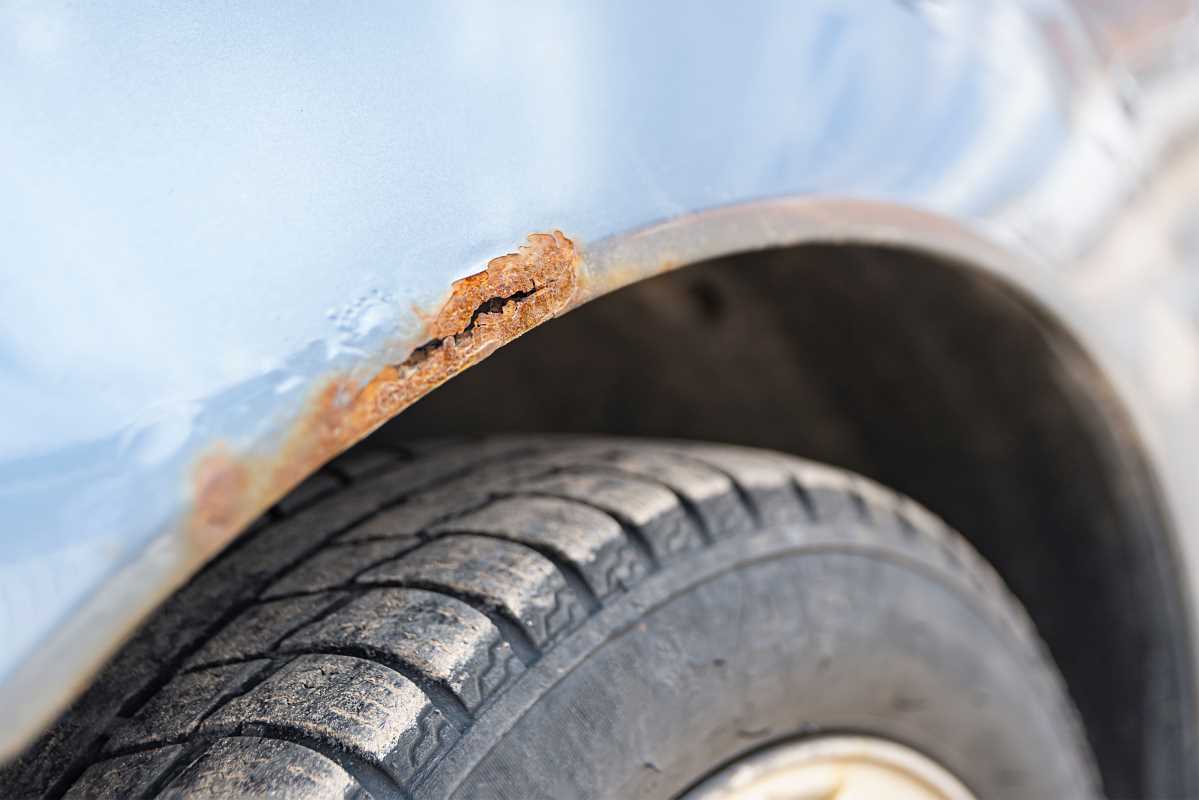
Coolant (or antifreeze) isn't just colored water. It contains additives that prevent corrosion and raise the boiling point of the liquid. Over time, these additives break down. Old coolant can become acidic, eating away at the water pump and radiator from the inside out. Flushing your coolant according to your owner's manual ensures the liquid can actually do its job.
Oil: The Unsung Coolant
Most people know oil lubricates moving parts to reduce friction, but few realize it plays a massive role in cooling. In fact, for internal components like pistons and crankshaft bearings, oil is the primary coolant.
Pistons move up and down incredibly fast, and the combustion happens right above them. The cooling jacket (where the coolant flows) is in the engine block walls, not touching the pistons directly. To keep pistons from melting, many modern engines use "oil squirters." These are small nozzles that spray a jet of oil directly onto the bottom of the piston to carry away heat.
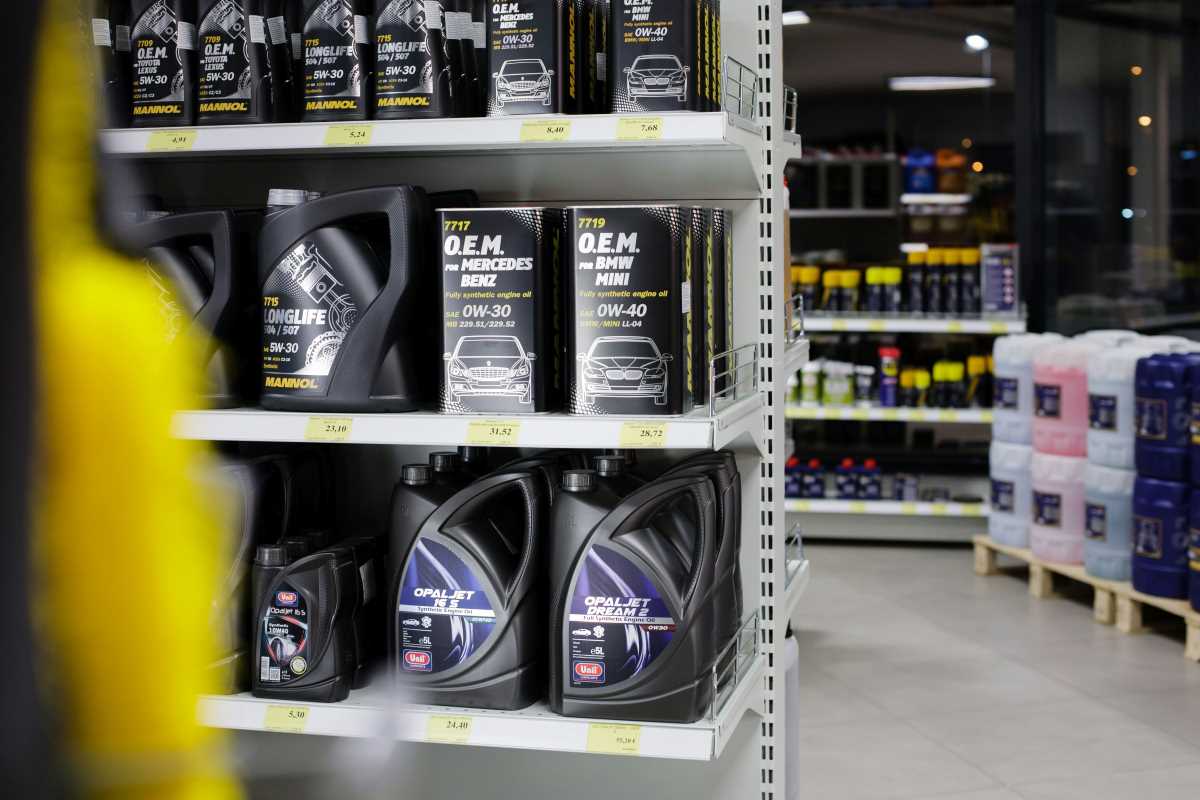
Because oil absorbs so much heat, it needs to be cooled too. Many performance and heavy-duty vehicles have a separate oil cooler. If you neglect oil changes, the oil degrades. Degraded oil gets thinner (losing viscosity) when hot, meaning it can't absorb heat effectively or protect metal parts from rubbing together. Synthentic oils are engineered to resist breaking down at high temperatures much better than conventional oils, making them a smart choice for engine longevity.
Airflow Management and Aerodynamics
The best cooling system in the world won't work if air can't flow through it. This brings us to airflow management. When you are driving down the highway at 65 mph, plenty of air is rushing through your grille and over your radiator. But what happens when you are stuck in traffic on a 90°F day?
This is where your cooling fans come in. These fans, usually mounted directly behind the radiator, turn on when the car isn't moving fast enough to push air through naturally. You’ve probably heard them whirring after you park your car on a hot day. If a fan motor burns out or a relay fails, your engine temperature can spike dangerously high while idling.
Modern cars also use active grille shutters. These are flaps in the front grille that close to improve aerodynamics (better gas mileage) when the engine is cool, but open up to allow maximum airflow when the engine gets hot. If these shutters get stuck closed due to debris or ice, your engine can suffocate from heat.
Heat shielding is another aspect of airflow management. Components like the exhaust manifold and turbocharger get incredibly hot, sometimes glowing red. Heat shields keep this radiant heat away from sensitive parts like the alternator, battery, and plastic intake manifolds. Never remove heat shields during repairs without replacing them; they are there to stop radiant heat from cooking the rest of your engine bay.
The Danger of "Heat Soak"
Have you ever driven your car hard, parked it for ten minutes to run into a store, and found it harder to start when you came back? This is often due to "heat soak." When the engine is running, the water pump and fans are actively moving heat away. The moment you shut the engine off, that active cooling stops.
The engine block is still practically a giant hot iron. That heat radiates outward, soaking into fuel lines, sensors, and the intake manifold. In turbocharged cars, the oil sitting inside the hot turbocharger can literally bake onto the bearings if the engine is shut off too quickly after hard driving.
To combat heat soak, adopt a "cool down" habit. If you have been driving up a steep mountain, towing a trailer, or driving aggressively, don't just shut the car off immediately. Drive gently for the last mile or let the engine idle for a minute or two. This allows the oil and coolant to circulate and pull the peak heat out of the metal before everything stops moving.
Practical Tips for Thermal Management
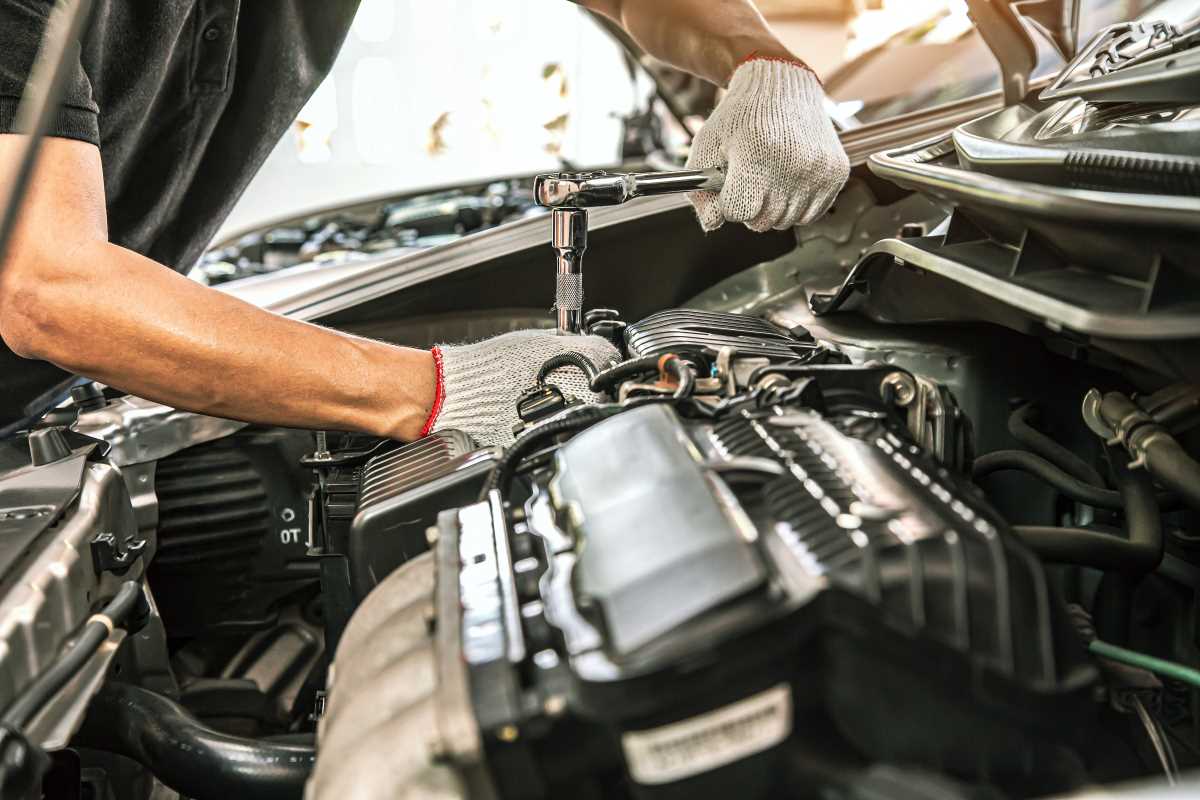
You don't need to be a mechanic to manage your engine's heat. Here are actionable steps to ensure your engine stays cool and lasts longer:
1. Monitor Your Gauge, Not Just the Light
Many modern cars have replaced the temperature gauge with a simple "dummy light" that turns red when you overheat. By the time that light turns on, damage may already be done. If your car has a gauge, glance at it regularly. It should settle in the middle and stay there. If it starts creeping up while idling or climbing hills, you have an early warning sign of a cooling issue.
2. Check Hoses and Belts
Rubber radiator hoses become brittle over time due to the constant cycle of heating and cooling. A burst hose will drain your coolant in seconds. Squeeze them (when the engine is cold!)—they should feel firm but flexible, not rock hard or squishy. Also, check the serpentine belt that drives your water pump. If it slips, the pump stops turning.
3. Use the Right Octane Fuel
In high-performance engines, using low-octane fuel can cause "detonation" or "knocking." This is when the fuel ignites prematurely due to heat and pressure. This creates massive spikes in cylinder temperature and pressure that can destroy pistons. If your manual says "Premium Fuel Only," it’s not a suggestion; it’s a requirement for thermal management.
4. Keep the Condenser Clean
The A/C condenser usually sits right in front of the radiator. If it gets clogged with bugs and dirt, it blocks air from reaching the radiator behind it. A gentle spray with a garden hose (not a high-pressure washer, which can bend the fins) can clear out debris and restore airflow.